Risk warning:CFDs carry a high risk of rapid losses due to leverage. Only trade what you can afford to lose. Grades and scores are indicative, not a guarantee or financial or legal advice. Read moreCFDs carry a high risk of rapid losses. Grades and scores are indicative, not a guarantee or financial or legal advice. Read more
24 CFD firms are closing after an FCA crackdown. What a UK licence protects, and what it does not
The FCA says some CFD firms with little UK business used their authorisation as a badge to make offshore sister companies look safer than they are. 21 have closed and three are giving up their permissions. What changes when your account sits with the offshore company, and how to check which one you signed with.
CFD firms closed or cancelling their FCA permissions since 2025
24
Of them under FCA enforcement investigation
2
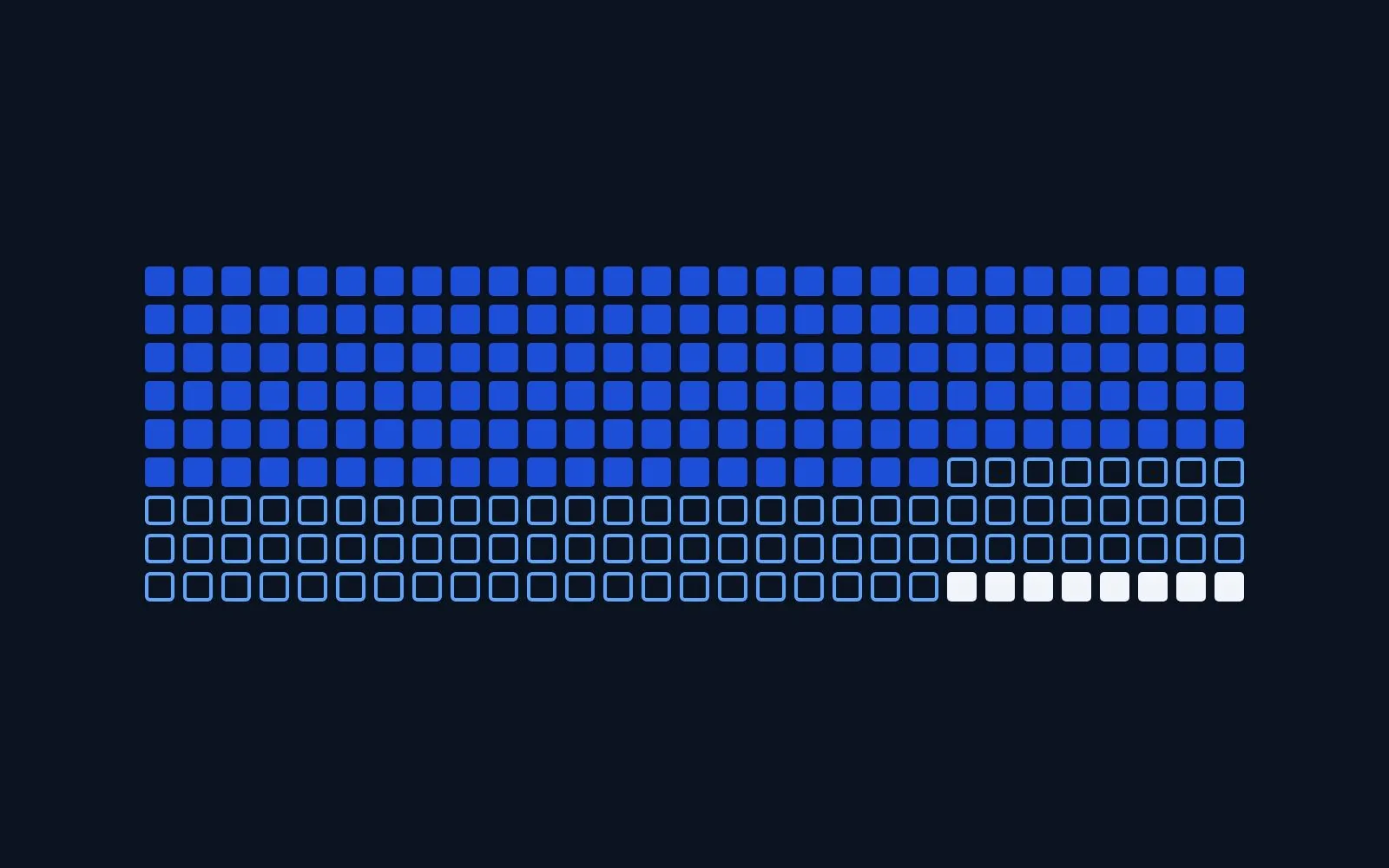
Brands we audit with an FCA-authorised company that also list an offshore company
32 of 36
The UK’s Financial Conduct Authority (FCA) said on 25 September 2026 that 21 firms offering contracts for difference (CFDs) have closed since 2025 following its supervisory action, and that three more are cancelling their permissions. Its concern was not what the firms did in the UK. It was what their UK authorisation was being used for.
The FCA said it had been challenging CFD firms “that carry out little UK business but use their authorisation as a badge to make linked overseas companies look more trustworthy than they really are.” The result, it said, is “the misleading impression that consumers are dealing directly with a UK-regulated firm and benefit from UK protections when they do not.”
The firms faced restrictions on their trading, requirements to commission independent reviews of their business and, in the two most serious cases, enforcement investigations. The FCA did not name any of them.
Not the first warning
The announcement follows two earlier warnings to the sector.
December 2024: in a letter to the chief executives of CFD firms setting out its supervisory priorities, the FCA said firms “and where applicable their wider ‘groups’” that fail to address the risks it set out “can expect us to take swift and assertive action.” It defined a group to include looser connections, “e.g. where firms are connected through the same Ultimate Beneficial Owner”. The same letter described two recent firm failures that left shortfalls in client funds held under title transfer arrangements, and “one of these had all funds placed with an offshore counterparty.”
October 2025: the FCA warned that firms were pushing retail clients to claim professional status, which removes the retail protections, and were “redirecting retail clients to associated CFD providers in third country jurisdictions without equivalent consumer protections.” It also said finfluencers were promoting unregulated offshore firms: “Over 90,000 people have lost around £75m over a 4-year period in this way at just one firm.”
Dominic Holland, the FCA’s director of sell-side supervision, put the September closures this way: “Consumers need to know exactly who they’re dealing with and what protections they have. When firms blur the lines between their UK-regulated activities and overseas businesses, we will step in.”
The structure is common, and legal
Running a UK company alongside companies elsewhere is lawful, and many of the best-known CFD brands do it. The FCA’s objection is to firms presenting the overseas business as if it carried the UK firm’s protections.
Of the 70 retail brokers TBR has audited, 36 have an FCA-authorised company in their group. Of those 36, 32 also list a company in an offshore centre, most often the Seychelles, Mauritius or the Bahamas. Of the 51 offshore companies their profiles list, 44 are licensed by a local regulator; the other seven, in St Vincent and the Grenadines, St Kitts and Nevis and Saint Lucia, hold no financial licence that we could find. Offshore does not usually mean unregulated. It means regulated under different rules, which is the point the FCA is making. Nothing in the FCA’s announcement identifies any of these brands as among the 24 firms.
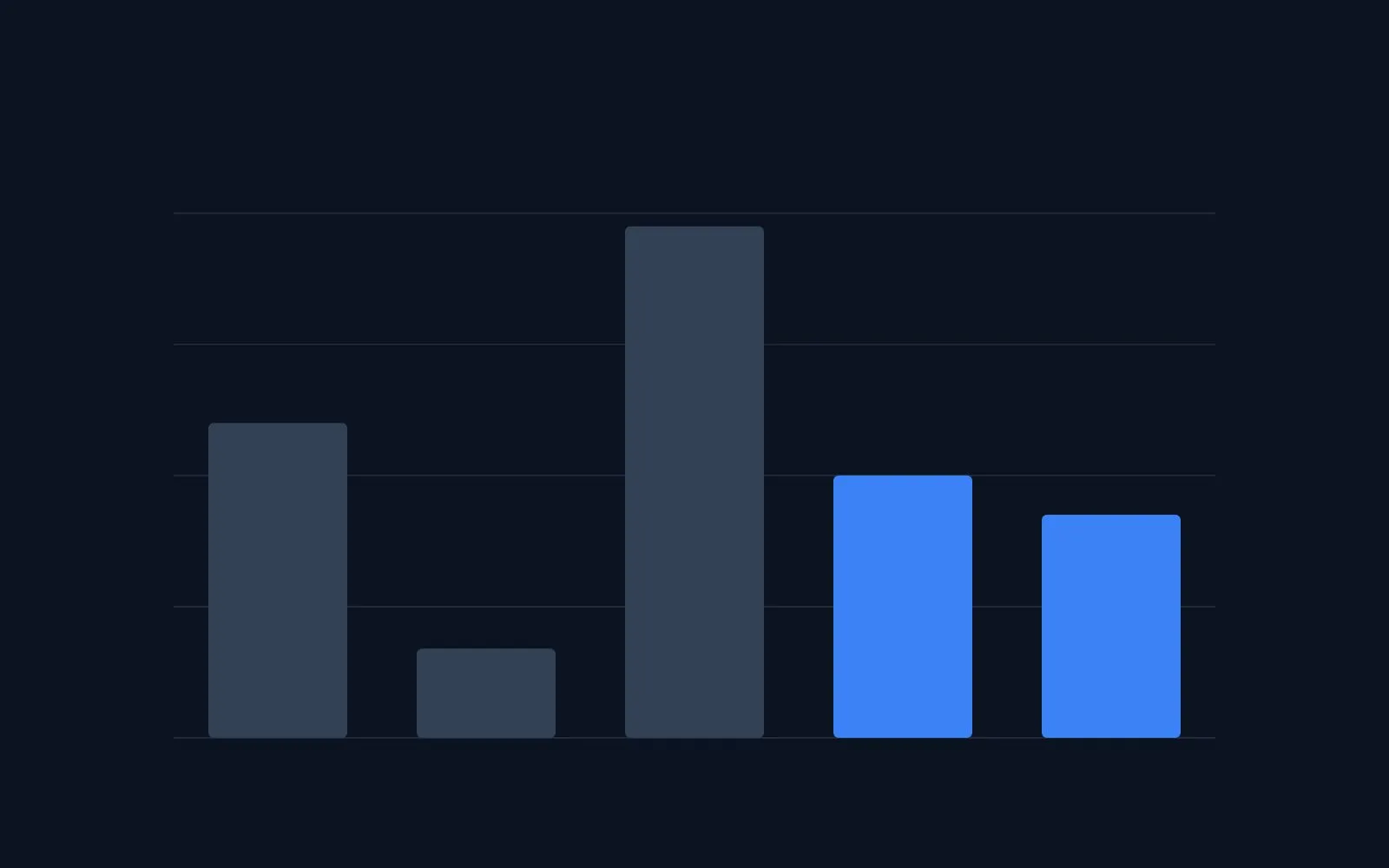
Where the 32 brands with an FCA-authorised company and an offshore company place it (number of brands)
Item
Value
Seychelles
14
Mauritius
10
The Bahamas
6
St Vincent and the Grenadines
5
British Virgin Islands
3
Belize
3
Bermuda
2
Cayman Islands
2
Vanuatu
2
Comoros, Curaçao, Saint Lucia or St Kitts and Nevis
4
A brand can have companies in more than one jurisdiction, so the bars add up to more than 32.
Source: TBR firm profiles and audits, 26 October 2026
We examined what these offshore companies offer, and what their clients give up, in Same brand, different rules.
What the UK company must give you, and the offshore one need not
If you are a retail client of an FCA-authorised CFD firm, the FCA’s rules, permanent since 2019, require the firm to:
limit your leverage to between 30:1 and 2:1, depending on the underlying;
close out your positions when your funds fall to 50% of the margin needed to keep them open;
make sure you cannot lose more than the money in your CFD account;
offer no monetary or non-monetary inducements to trade;
show a standard risk warning with the percentage of its retail accounts that lose money.
If the UK firm fails and cannot return your money, the Financial Services Compensation Scheme can pay up to £85,000 per eligible person, per firm, for firms that failed after 1 April 2019.
None of these UK rules applies to an account with a company in another jurisdiction. That company follows the rules of its own regulator and its own client agreement, which may offer some of the same protections, or none of them. The FCA says the retail protections prevent nearly 400,000 people a year from risking more than their original stake in CFDs, and provide between £267 million and £451 million worth of protection.
The same protections are lost if you agree to be treated as a professional client. The FCA warned in 2025 that client money “may be moved out of segregated client money accounts, exposing the client to greater risk of loss in the event of firm failure.” It consulted in December 2025 on changing how firms decide who may opt out of retail protection, including stronger safeguards around opting out (CP25/36), and has said it will publish a policy statement.
How to check who you are dealing with
Find the company name in your client agreement, not the website footer. The agreement names the company you contract with, its registered office and its regulator. That is the company that holds your money.
Look that exact company up on the FCA register. The FCA’s Firm Checker shows whether the company is authorised, its firm reference number and its trading names. The FCA warns that some overseas firms use names very similar to UK firms’, and that “UK regulatory protections are unlikely to apply” to them.
Watch for a switch. If a firm suggests moving your account to an “international” or “global” entity for higher leverage or a bonus, or invites you to become a professional client, you are being offered a different set of rules. The FCA says firms must not push either on retail clients.
Read the risk warning. A UK-authorised firm must publish the percentage of its retail accounts that lose money. Our audits name the company behind each brand and which regulator, if any, supervises it.
How we checked
We read the FCA’s press releases of 25 September 2026, 30 October 2025 and 1 July 2019, its December 2024 portfolio letter to CFD firms, the consultation page for CP25/36 and the FSCS’s page on investment protection. The count of brands comes from the 70 retail broker profiles and audits in TBR’s registry on 26 October 2026: a brand counts if its profile lists an FCA-authorised company, and as having an offshore company if its profile also lists a company in the Seychelles, Mauritius, the Bahamas, St Vincent and the Grenadines, the British Virgin Islands, Belize, Bermuda, Vanuatu, the Cayman Islands, Comoros, Curaçao, Saint Lucia or St Kitts and Nevis. The FCA has not named the 24 firms, and we have not tried to identify them.
Brazil's securities regulator has unanimously fined FBS Markets Inc. R$2 million and Mitsui Markets Limited R$1.7 million for offering forex and CFDs to Brazilians without authorisation, through Portuguese websites advertising leverage of up to 1:3000 and offering deposits by Pix. It is the CVM's second penalty on a foreign trading platform in ten weeks. We read the ruling: what it found, how the fines were set, and where the other cases stand.
Most of what brokers say about their licences holds up. But seven well-known brands still describe a licence that the register does not show, from a licence Estonia withdrew in April to a St Vincent company that holds none. And in the offshore centres where many international accounts are opened, the licence number on a broker's website often cannot be checked at all.
ASIC wants to keep its CFD leverage limits until 2037 and close three gaps it has found: margin netting, which led 28 firms to refund A$36 million, CFDs over options, on which 85% of retail clients lost money, and crypto-settled products that work like CFDs. Comments close on 9 November.