Risk warning:CFDs carry a high risk of rapid losses due to leverage. Only trade what you can afford to lose. Grades and scores are indicative, not a guarantee or financial or legal advice. Read moreCFDs carry a high risk of rapid losses. Grades and scores are indicative, not a guarantee or financial or legal advice. Read more
Ten more years of 30:1: what Australia's new CFD proposals mean for traders
ASIC wants to keep its CFD leverage limits until 2037 and close three gaps it has found: margin netting, which led 28 firms to refund A$36 million, CFDs over options, on which 85% of retail clients lost money, and crypto-settled products that work like CFDs. Comments close on 9 November.
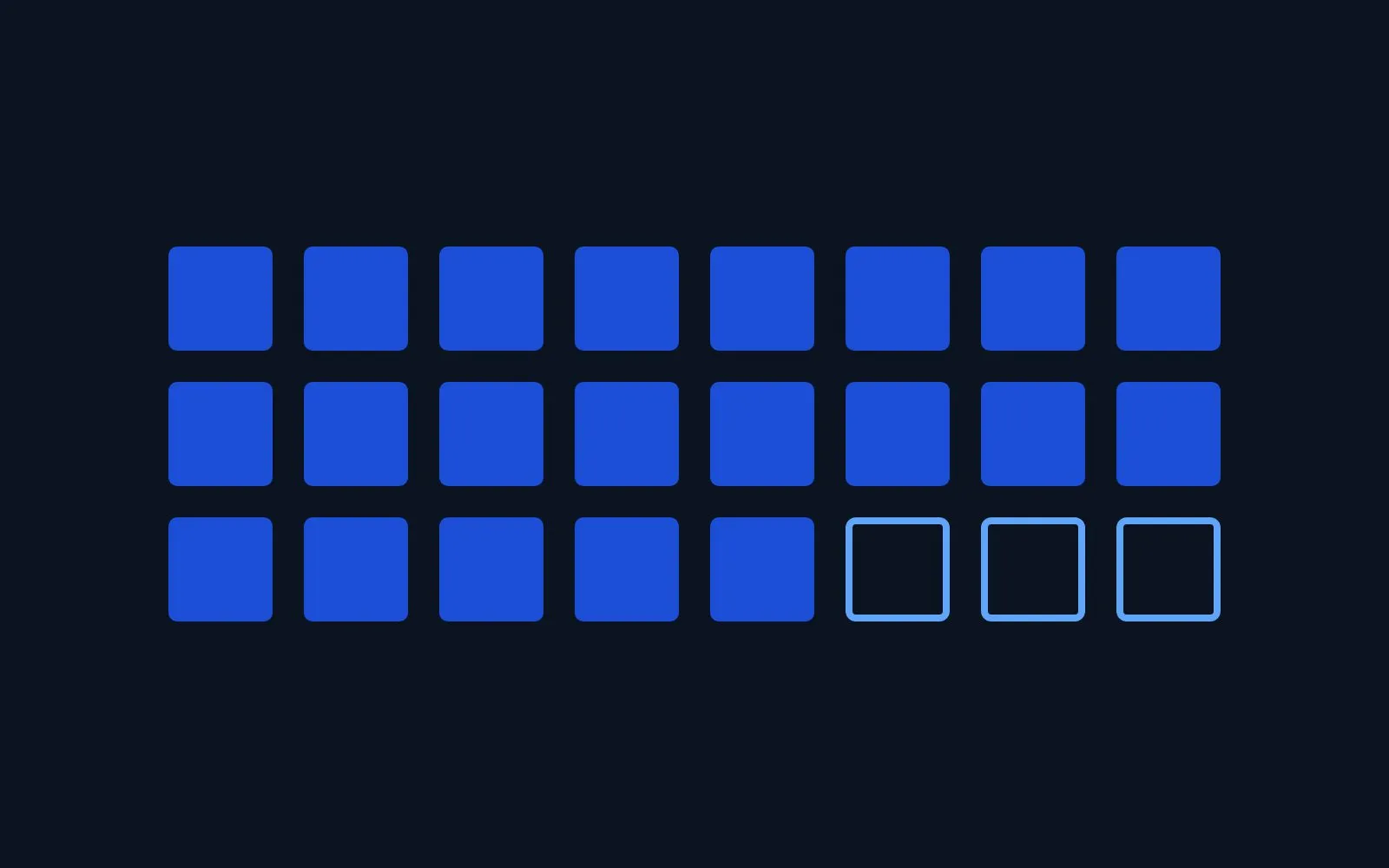
How long ASIC's CFD limits would last if the proposed extension is approved
2037
Retail CFD clients in Australia who lost money in the year to June 2024
68%
Refunded by 28 issuers after ASIC found margin netting broke its order
A$36m
Australia’s securities regulator wants to keep its limits on contracts for difference (CFDs) for another ten years. On 12 October 2026 the Australian Securities and Investments Commission (ASIC) proposed extending its CFD product intervention order, which is due to expire on 23 May 2027. Subject to ministerial approval, it would stay in force until 2037 unless revoked earlier.
The order is what limits retail clients of Australian-licensed CFD issuers to leverage of 30:1 on major currency pairs. ASIC also wants to tighten it in three places where it has found clients losing money: margin discounts on hedged positions, CFDs over options, and products that work like CFDs but settle in crypto. Comments close at 5pm Australian Eastern Daylight Time on Monday 9 November.
What the order does now
The order took effect on 29 March 2021. ASIC extended it once, in April 2022, until May 2027. It has four parts.
Underlying
Maximum leverage for retail clients
Major currency pairs
30:1
Minor currency pairs, gold and major stock indices
20:1
Other commodities and minor stock indices
10:1
Shares and other assets
5:1
Crypto-assets
2:1
Alongside the leverage limits, issuers must close out a retail client’s positions under standardised margin close-out arrangements before all or most of the money in the account is lost. Losses are limited to the funds in the CFD account, so a client cannot end up owing the issuer. Inducements are banned: ASIC’s examples when it made the order were trading credits, rebates and “free” gifts like iPads.
These are the same kinds of protection the UK and the EU apply to retail CFD clients, and ASIC said at the time that it was bringing Australia into line with them. Our guide to the European rules sets out how they compare.
What it changed
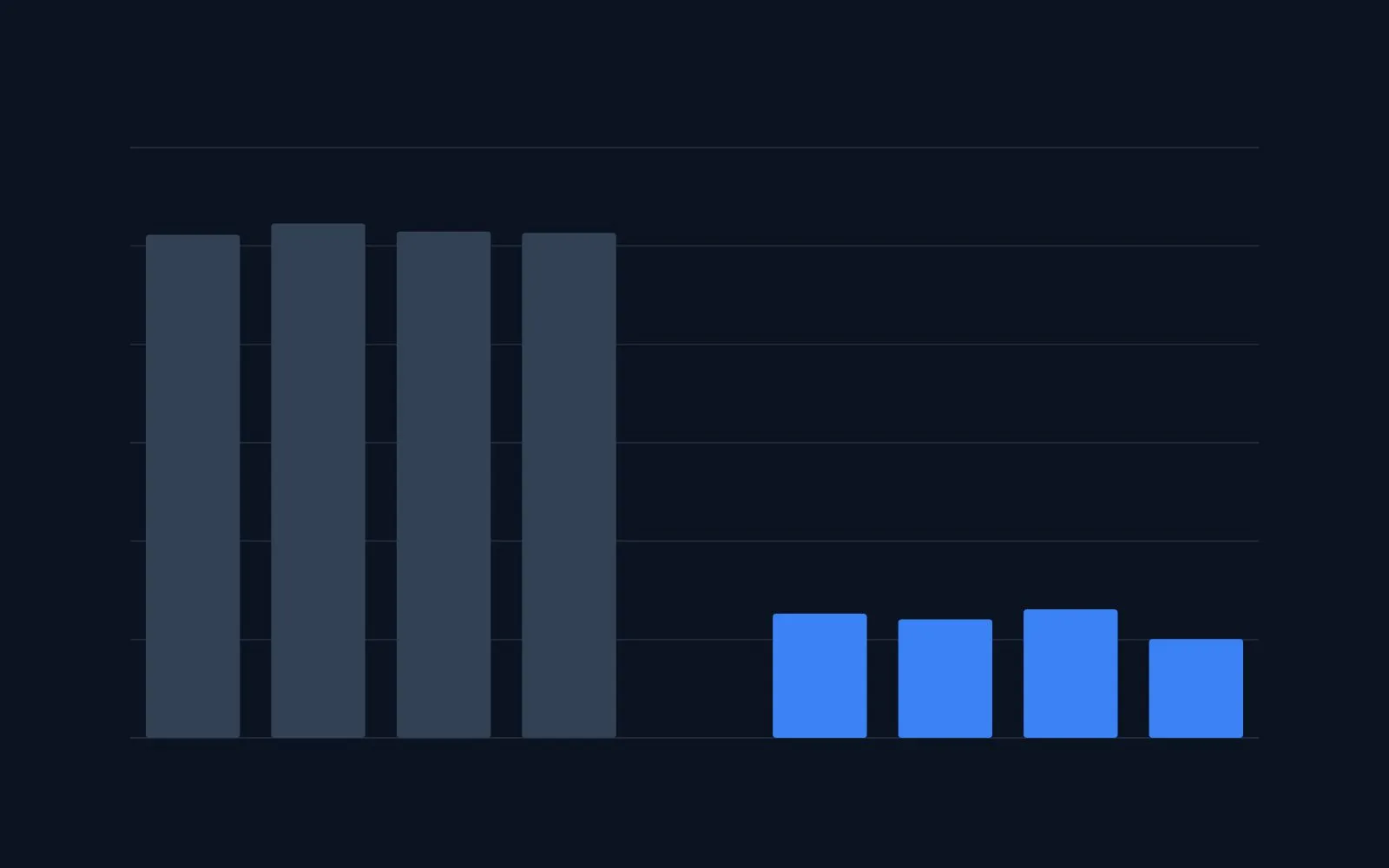
Average number of clients trading CFDs each quarter with Australian issuers (thousands)
Item
Value
Before the order (April 2020 to January 2021)
515
Year to June 2024
119
Source: ASIC Report 828, tables 5 and 6
In the first six months of the order, according to ASIC’s data:
retail clients’ aggregate net losses fell 91%, from A$372 million to A$33 million a quarter;
margin close-outs fell 87%;
negative balances fell 88%.
The market also shrank. In the year to June 2024 an average of about 119,000 clients traded CFDs each quarter with Australian issuers, against about 515,000 a quarter before the order. ASIC’s sector review said the decline could be due to several factors, including the order itself, “the subsequent reduction in foreign retail clients” and high client attrition. Of the new retail clients who first traded in July to September 2023, 67% had stopped by the end of that financial year. Fifty licensed firms issued CFDs that year, down from more than 60 in 2021, and the review notes that ASIC cancelled six licences.
Most clients still lose
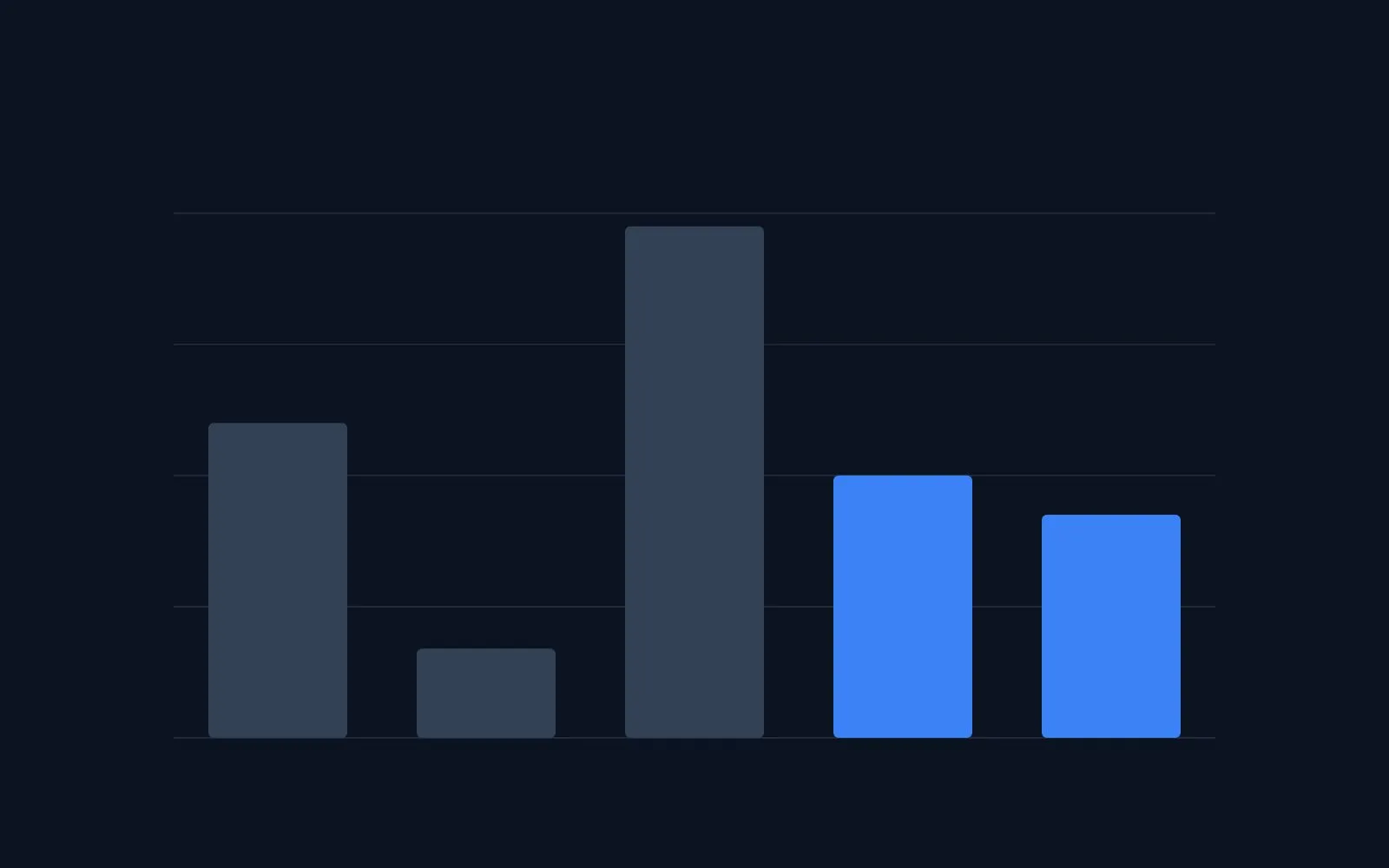
Clients who made a net loss trading CFDs with Australian issuers, year to June 2024 (%)
Item
Value
Retail clients trading CFDs over options
85%
New retail clients acquired through paid online advertising
74%
Wholesale clients
70%
All retail clients
68%
Source: ASIC Report 828 and consultation CS 64
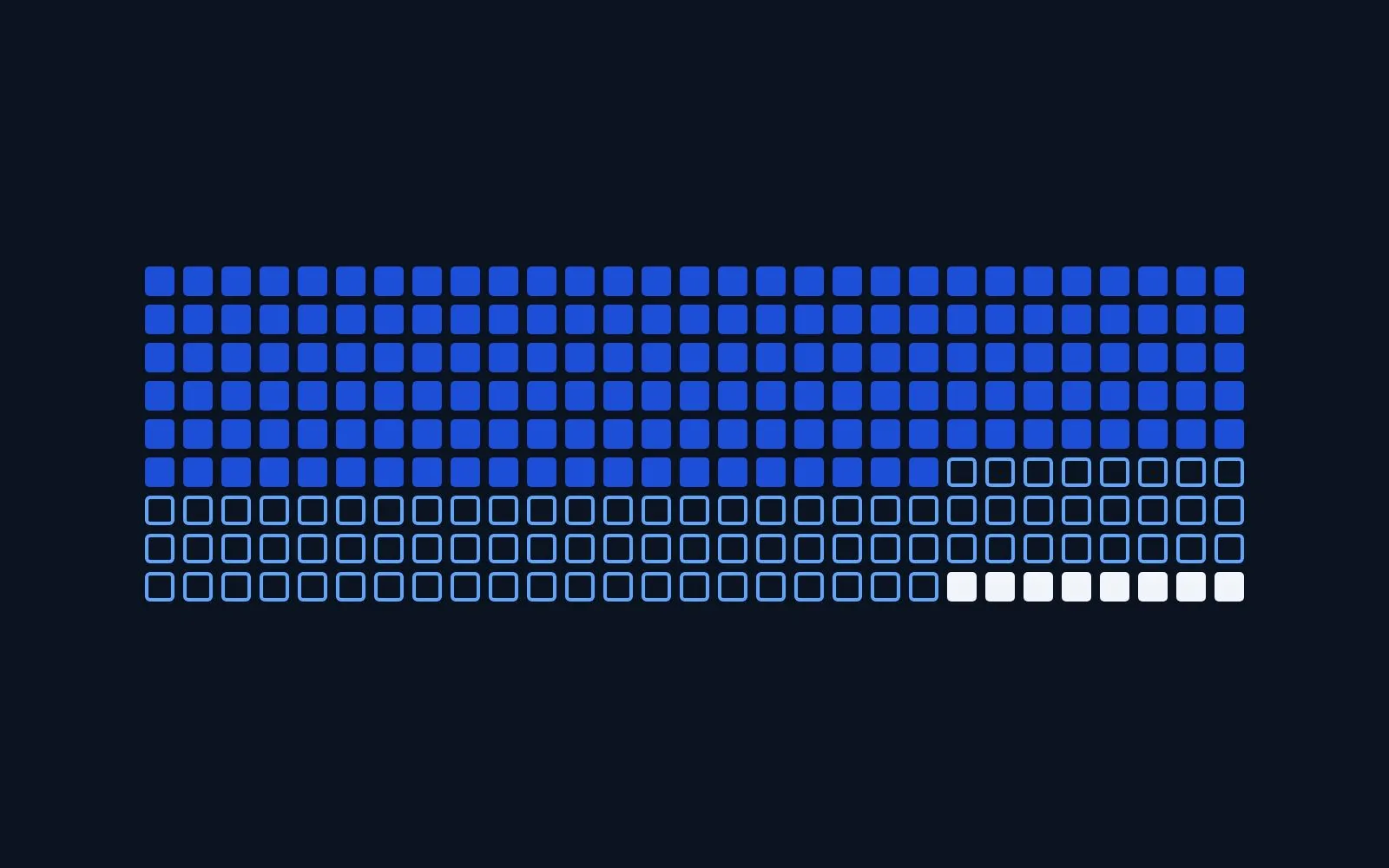
In the year to June 2024, 133,674 retail clients, 68% of those who traded, made a net loss. Together they lost A$458 million, including A$73 million in fees. Fees made the difference for some: ASIC found that 5% of retail clients would have made a net profit but ended up losing because of fees, and that among active traders, those with more than 50 positions open a month on average, 19% of those who were profitable before fees lost money after them.
Wholesale clients, who fall outside the order’s protections, did worse. 70% of them lost money, a combined A$738 million. ASIC found that reclassifications from retail to wholesale were concentrated among five issuers, and it has started a targeted review of how issuers classify clients. It warned that classing a retail client as wholesale by mistake “risks denying the client important rights and protections, in contravention of the law.”
The three gaps ASIC wants to close
Margin netting on hedged positions
Some issuers had been charging margin on the net value of a client’s opposing long and short positions, or on the larger leg only, instead of on each position. ASIC told issuers in July 2024 to stop. Its review found that more than half the sector had broken the order this way, and 28 issuers refunded more than A$36 million to clients for swap costs, spreads and other fees on the affected positions.
ASIC’s report sets out why this hurt clients: they could build excessively leveraged positions, paid more in overnight funding, lost the protection of the margin close-out, and faced a sudden jump in margin when one leg was closed. The proposal writes into the order that initial margin must be applied to each CFD separately and cannot be reduced by netting opposing positions.
CFDs over options
A CFD over an option is a CFD whose value tracks an option. ASIC calls these products “effectively a ‘double leveraged’ product”, says the order did not contemplate them, and found that issuers applied different margin rules to them. 85% of retail clients who traded them lost money.
ASIC proposes that where a client cannot lose more than the premium paid, the minimum margin is the premium. Where the client can lose more, for example on a short option exposure, the margin would be the one that applies to the underlying asset or index. Separately, ASIC is asking whether CFDs over options that can lose more than the premium should be available to retail clients at all. It says it has not decided.
Products settled in crypto
The order today covers derivatives settled in cash or by set-off. ASIC proposes to extend the definition of a CFD to derivatives settled by transferring digital assets, where they otherwise work like a CFD: their value tracks an underlying, they have no fixed end date or are usually closed before it, and the holder can close them. The underlying could be a digital asset, another asset, a rate or an index. Some fixed-expiry crypto options and futures would stay outside. ASIC’s aim, in its own words, is that “products with the same economic characteristics and risks as CFDs” are treated consistently “regardless of their settlement method”. Europe’s securities regulator, ESMA, made a similar point about perpetual futures in February: see our report on its statement.
ASIC also proposes clearer rules on discounts, which are allowed despite the inducements ban. A permitted discount would have to be offered unconditionally, except for conditions needed for a volume-based discount, offered to all retail clients on substantially the same terms, and displayed clearly on the issuer’s website and platform. Issuers would keep records of each offer for seven years. Educational and research tools would escape the ban only if they are open to all retail clients and not used as inducements to trade.
What it means for traders
The leverage limits are not going away. If the extension is approved, retail clients of Australian-licensed issuers keep 30:1 on major currency pairs and 2:1 on crypto until 2037.
Hedging will not cut your margin. If you hold opposing long and short positions, expect margin on both legs. An issuer that nets them is breaking the order as ASIC reads it today.
Options CFDs may cost more to hold, or be withdrawn. Margin on short or uncapped exposures would rise to the level of the underlying, and ASIC may restrict the products for retail clients.
Crypto-settled products may come under the same rules. A product that pays out in crypto but otherwise works like a CFD would carry the CFD protections and leverage limits.
Think twice before accepting wholesale status. It removes the order’s protections, and ASIC found wholesale clients lost more, in total and as a share, than retail clients.
The order covers issuers licensed in Australia. Several groups that hold an Australian licence also run companies elsewhere with different rules. Our audits name the company behind each brand.
How to respond
ASIC is taking submissions on the extension, the amendments and the separate question on CFDs over options until 5pm AEDT on 9 November 2026, by email to Market.Intermediaries@asic.gov.au. Responses can be anonymous, and ASIC will not treat them as confidential unless asked. It wants evidence in particular on how many retail clients use CFDs over options that can lose more than the premium, how they fare, and any legitimate uses.
How we checked
We read ASIC’s consultation CS 64 and the draft amending instrument published with it, its media releases of 12 October 2026, 20 January 2026 and 23 October 2020, and Report 828, its review of 52 CFD issuers between October 2024 and December 2025. Client numbers and outcomes for the year to June 2024 come from Report 828’s appendix tables. The figures for the first six months of the order come from ASIC’s 2022 extension data, as restated in its October 2026 release. Amounts are in Australian dollars.
Brazil's securities regulator has unanimously fined FBS Markets Inc. R$2 million and Mitsui Markets Limited R$1.7 million for offering forex and CFDs to Brazilians without authorisation, through Portuguese websites advertising leverage of up to 1:3000 and offering deposits by Pix. It is the CVM's second penalty on a foreign trading platform in ten weeks. We read the ruling: what it found, how the fines were set, and where the other cases stand.
Most of what brokers say about their licences holds up. But seven well-known brands still describe a licence that the register does not show, from a licence Estonia withdrew in April to a St Vincent company that holds none. And in the offshore centres where many international accounts are opened, the licence number on a broker's website often cannot be checked at all.
The FCA says some CFD firms with little UK business used their authorisation as a badge to make offshore sister companies look safer than they are. 21 have closed and three are giving up their permissions. What changes when your account sits with the offshore company, and how to check which one you signed with.