Risk warning:CFDs carry a high risk of rapid losses due to leverage. Only trade what you can afford to lose. Grades and scores are indicative, not a guarantee or financial or legal advice. Read moreCFDs carry a high risk of rapid losses. Grades and scores are indicative, not a guarantee or financial or legal advice. Read more
Licensed, says the footer. We ran 261 licence checks against regulators' registers
Most of what brokers say about their licences holds up. But seven well-known brands still describe a licence that the register does not show, from a licence Estonia withdrew in April to a St Vincent company that holds none. And in the offshore centres where many international accounts are opened, the licence number on a broker's website often cannot be checked at all.
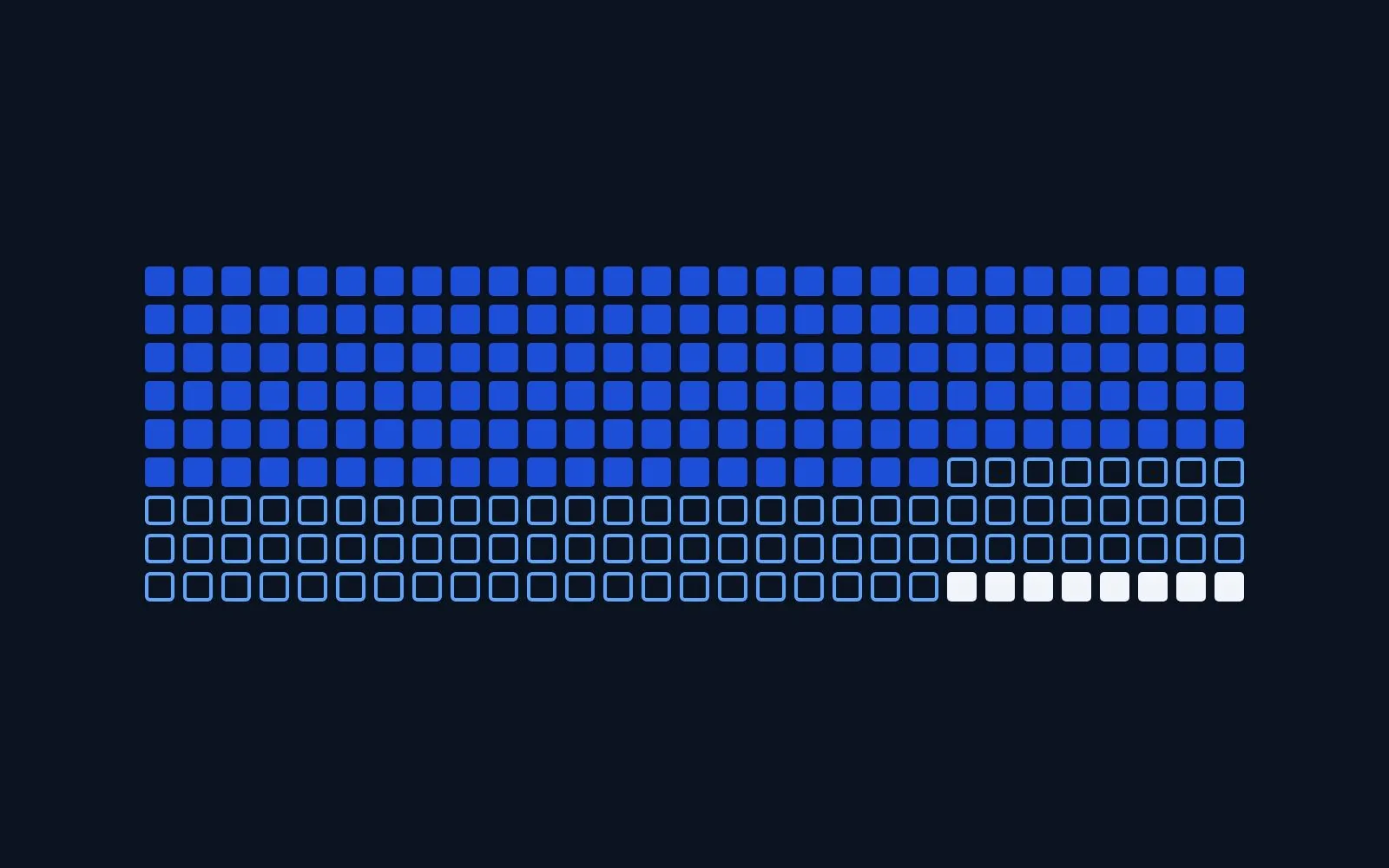
Licence checks we ran on regulators' registers, across 70 broker brands
261
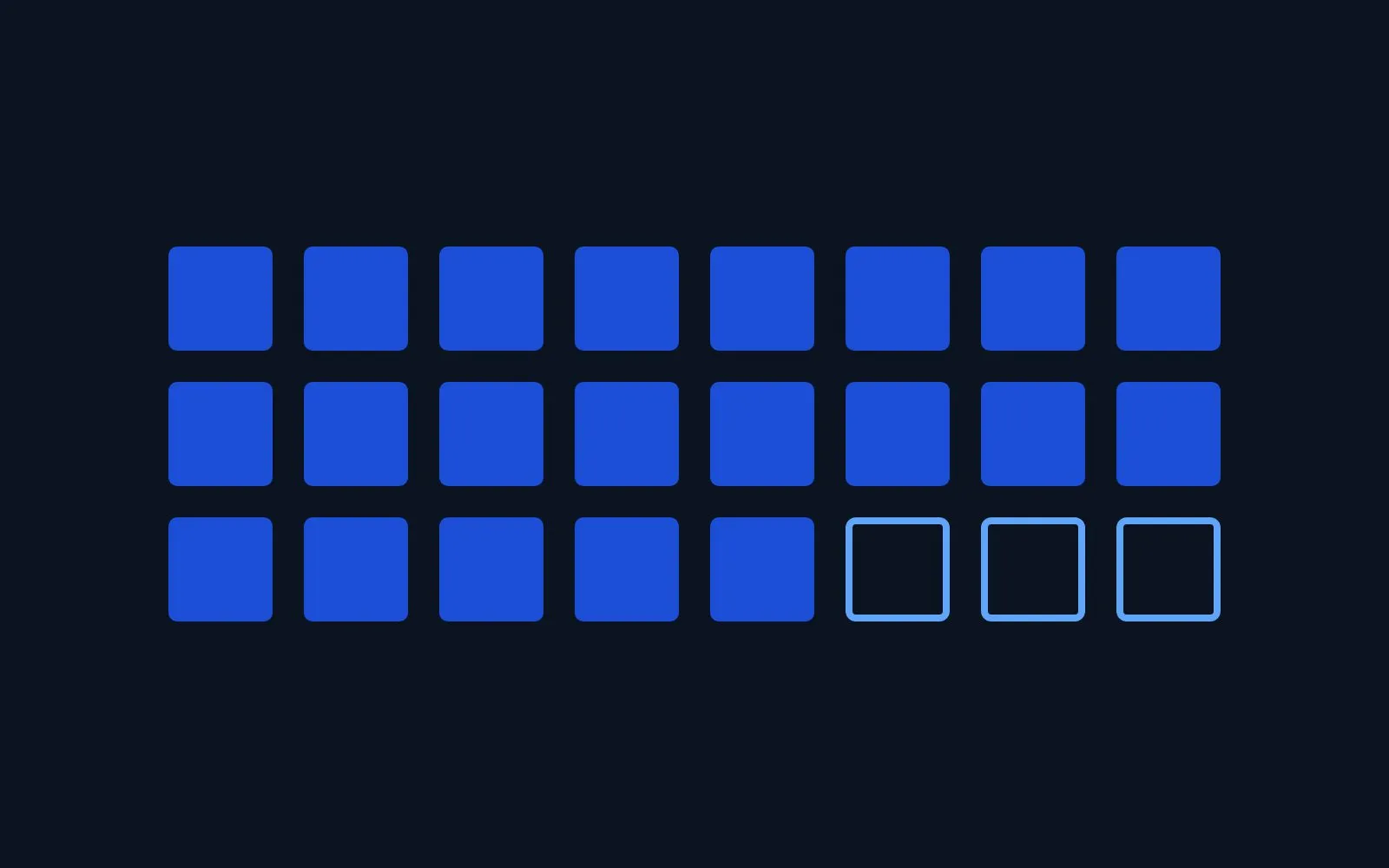
Brands whose own pages still describe a licence the register does not show, rechecked on 2 November 2026
7
Brands quoting a licence number that the public register does not display
28
The Admiral Markets Group’s regulation page says that Admiral Markets AS “is licensed by the Estonian Financial Supervision Authority”, and calls it “a licensed organization”. On 27 April 2026 that regulator, Finantsinspektsioon, withdrew the licence at the company’s own request. Its notice says the firm “has terminated its client relationships with all of its clients”. When we checked on 2 November, the page still described the licence as current.
It is one of seven cases we found where a well-known brand’s own website or client agreement describes a licence that the regulator’s register does not show. They came out of a larger exercise. For the 70 retail broker brands in our audit registry, we ran 261 licence checks, one company at a time, on regulators’ registers between 2 and 26 October 2026. On 2 November we checked the seven again.
The question matters more than it used to. In September the UK’s Financial Conduct Authority said that 21 CFD firms had closed since 2025, and three more were cancelling their permissions, after it challenged firms that used their UK authorisation “as a badge” to make linked overseas companies look more trustworthy (our report). A licence in a footer is only worth what the register behind it says.
Most claims hold up
What 261 register checks found, October 2026 (number of checks)
Item
Value
Confirmed
166
Confirmed with notes
87
Discrepancy
8
Source: TBR audit registry: 70 desk and Verified audits, register checks made 2 to 26 October 2026
In 166 checks the register matched: the company, the licence and its status. In 87 more we recorded a note, because something did not match, had changed or could not be fully confirmed. Eight checks ended in a discrepancy. The list below has six of them, plus IG, whose case we recorded as a note. The other two are not in it. FXOpen’s Australian licence was cancelled by ASIC in 2024, and FXOpen’s own Australian page says so. Libertex’s international site, whose licence claims we could not match to the registers it named in October, now shows visitors from our location only the details of its EU company, so we could not check those claims again.
International client agreement, effective 3 February 2026: Ava Trade Ltd “is fully licensed and regulated by the British Virgin Islands Financial Services Commission”
The BVI register lists both of AVA TRADE LTD.’s licences as cancelled; another group company, Ava Trade Markets Ltd., is listed as licensed
Licences page: “Authorized and regulated by the Seychelles Financial Services Authority (FSA). Regulatory number: SD090.”
The Seychelles list of securities dealers has no D Prime company; the only Doo company on it is Doo Financial Lite SC Limited. D Prime’s client agreement names a Vanuatu company
IG Group’s regulation page: IG Markets Limited “is regulated in Australia by the Australian Securities and Investments Commission (ASIC) under an Australian Financial Services Licence”
ASIC’s current licensee data includes IG Australia Pty Ltd (licence 515106), but not IG Markets Limited
Regulation FAQ, dated 12 August 2026: “VT Markets is regulated by the following authorities: Australian Securities and Investments Commission (ASIC)”
ASIC’s current data shows no VT Markets licensee. VT Markets Pty Ltd ceased to be an authorised representative on 13 April 2023
The two St Vincent cases rest on what St Vincent’s own regulator says. Its Financial Services Authority has stated that “forex trading brokerage activities are not licensed in St. Vincent and the Grenadines”, and that a company registered there which deals in forex is “doing so without a licence from this jurisdiction”. In a notice of 29 April 2026 it added that no entity is registered, licensed or authorised to operate as a virtual asset service provider in St Vincent, and that any entity claiming to be is “making a FALSE and MISLEADING representation”. Saledo Global LLC serves Olymp Trade’s clients who trade in digital assets.
We do not know why each page differs from the register, and the reasons are probably not the same. In several cases the likeliest explanation is a page that was not updated after a restructuring: IG’s Australian clients are served by IG Australia Pty Ltd, and AvaTrade still has a licensed BVI company. For a trader, the effect is the same either way: the document in front of them describes a licence that the regulator does not show. Any firm named here can reply, and we will publish its response in full.
Licensed, but not for what you might assume
What the 87 notes were about (number of checks)
Item
Value
Register does not show the licence number the firm quotes
42
Licence limited to certain activities or clients
16
Register address differs from the firm’s
12
Licence withdrawn, cancelled or being cancelled
7
Licensed company not named on the brand’s website
6
Company or licence numbers do not agree between sources
3
Other
14
A check can carry more than one note.
Source: TBR audit registry, register checks made 2 to 26 October 2026; TBR classification
In 16 checks across 11 brands, the licence was genuine but narrower than a reader might assume from the firm’s wording. Some examples from our October checks:
Introduction and promotion only. The UAE Capital Market Authority lists the UAE companies of ActivTrades, ATFX, Moneta Markets, PU Prime, VT Markets and XS.com for introduction, promotion or financial consultation activities. None of those entries lists dealing.
Not for retail clients. ATFX’s UK company is authorised by the FCA, but its accounts state that its permissions cover professional clients and eligible counterparties only. Exness says its UK and Cyprus companies serve institutional clients only, and HFM says its Cyprus company accepts only professional clients and eligible counterparties.
Not the company that trades with you. XS.com’s Australian licence covers wholesale clients only. EBC’s Australian company may advise and deal on behalf of others but not issue derivatives, and EBC says it does not provide the products on ebc.com. In South Africa, the companies behind Headway, Moneta Markets and EBC are authorised financial services providers, but none appears under its name on the regulator’s list of over-the-counter derivative providers.
Seven checks found a licence that had been withdrawn, cancelled or was being cancelled, most of them at the firm’s own request. Six found a licensed company that the brand’s own website does not name.
The number you cannot check
The most common note was the simplest. In 42 checks across 28 brands, the public register did not show the licence number the firm quotes. Most were in the Seychelles (18 checks) and Mauritius (8), the two offshore centres most used by the brands we audit: 26 of the 70 list a company in the Seychelles, and 21 in Mauritius.
That does not mean the licences are not real. The Seychelles list of securities dealers gives each licensed company’s name and, in its entry, details such as its address, trade name and website, but no licence number. It does mean that a number in a footer, on its own, proves nothing: a trader can only match the company’s name, and where the register gives one, its website.
How to check a licence yourself
Find the company, not the brand. Your client agreement names the company you contract with. That is the one to look up, not the brand or the group.
Use the regulator’s own register, reached from the regulator’s website, not a link on the broker’s page.
Match the name, the website and the status. Where the register shows no number, the company name and website are what you can check. Make sure the entry is current, not withdrawn or cancelled.
Read what the licence covers. Look for the activities and clients it permits: dealing as principal, retail clients, derivatives. A licence for introducing clients, or for professional clients only, does not cover a retail trading account.
Check the date. Licences move when groups restructure. Our guide to verifying a broker’s licence walks through the steps, with links to the main registers, and our audits list every register check we made, with its date.
How we checked
Each of the 70 audits in our registry, published between 2 and 26 October 2026, records the register checks we made, with the date and one of three results: confirmed, confirmed with notes, or discrepancy. Almost all were made on the regulator’s own register or, for Australia, on ASIC’s published licensee data; in a few cases where a register could not be used, we relied on an official alternative, such as ESMA’s register or archived copies of the register, and the audit says so. We counted those 261 checks and sorted the 87 notes into the types shown above; one check can carry more than one note. On 2 November 2026 we checked again, live, each of the firm pages and documents quoted in the table and the registers behind them: Finantsinspektsioon’s notice, the BVI Financial Services Commission’s register, the Seychelles FSA’s list of securities dealers, the Vanuatu Financial Services Commission’s list of financial dealers, the St Vincent FSA’s entity register, and ASIC’s licensee and authorised representative data, both last updated on 28 October 2026. IG’s case was recorded in its audit as a note, not a discrepancy, because the company serving Australian clients is licensed; we include it because the page still names a company that ASIC’s current data does not list. We did not contact the firms before publication.
Brazil's securities regulator has unanimously fined FBS Markets Inc. R$2 million and Mitsui Markets Limited R$1.7 million for offering forex and CFDs to Brazilians without authorisation, through Portuguese websites advertising leverage of up to 1:3000 and offering deposits by Pix. It is the CVM's second penalty on a foreign trading platform in ten weeks. We read the ruling: what it found, how the fines were set, and where the other cases stand.
ASIC wants to keep its CFD leverage limits until 2037 and close three gaps it has found: margin netting, which led 28 firms to refund A$36 million, CFDs over options, on which 85% of retail clients lost money, and crypto-settled products that work like CFDs. Comments close on 9 November.
The FCA says some CFD firms with little UK business used their authorisation as a badge to make offshore sister companies look safer than they are. 21 have closed and three are giving up their permissions. What changes when your account sits with the offshore company, and how to check which one you signed with.